Plan Around Seasons
Map both farm calendars for the year before you book anything. Winter (Dec-Feb) is when long trips, meet-the-family visits, and vacations actually fit. Spring planting and fall harvest are no-fly zones - do not even ask.
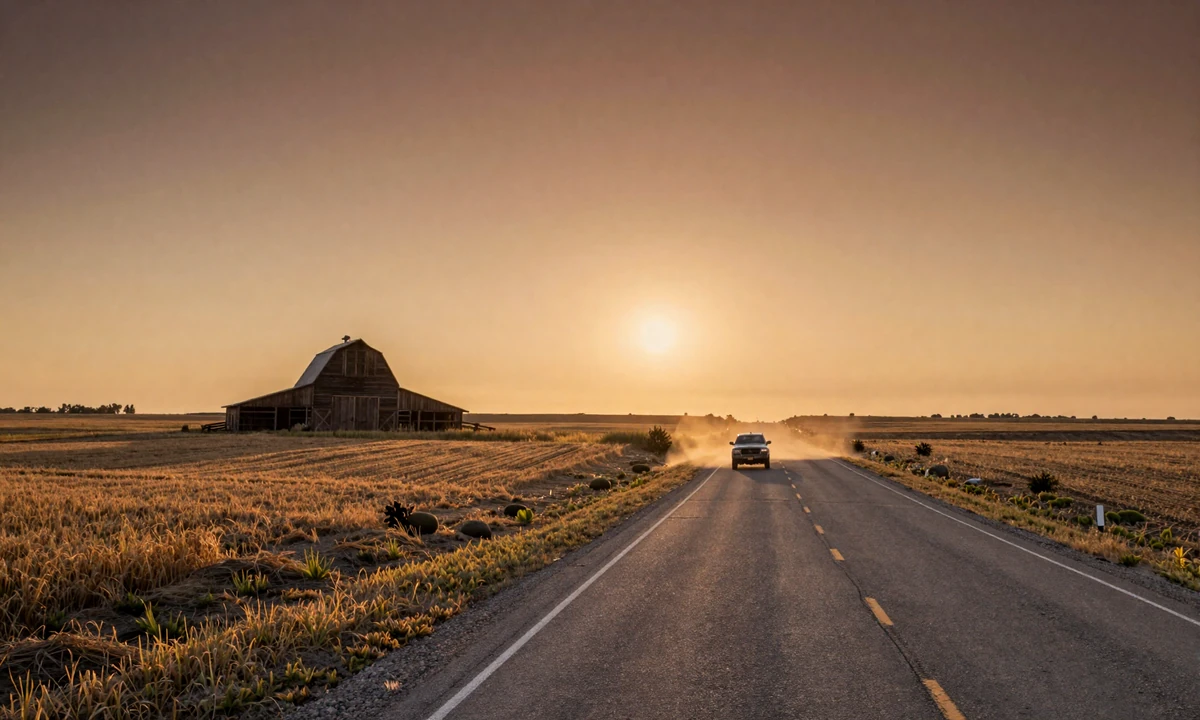
Long distance farmer dating is a different animal from long distance dating in general. Mainstream apps in a city let you swipe across a five-mile radius and still have thousands of matches. Niche platforms for rural singles face a scale problem: culturally, the community is tight; geographically, it is stretched across a continent. Per DatingRound's March 2026 guide to niche dating, geography is the single biggest pain point for farmer matchmakers - even well-designed apps feel slow when potential matches are scattered across three states.
That scattering is not a flaw in the platform. It is a reflection of the land itself. Only 1% of the U.S. population farms, and the average American farmer is 58 years old. Once you filter for single, age-appropriate, and culturally aligned, the map thins out fast. A 34-year-old cattle rancher in western Kansas and a 36-year-old dairy woman in upstate Wisconsin may be each other's best match on paper - and 900 miles apart in practice.
Here's where it gets interesting: distance creates pressure to move too fast, because every visit costs two days of travel and a tank of diesel. Couples often skip the casual middle stretch and rush toward commitment before they really know each other. The fix is not to travel more - it is to slow the emotional clock down while keeping the logistical clock honest. For context on the underlying rhythm, our plainspoken guide to dating a farmer covers the weekly realities that long-distance partners still have to respect from afar.
In a 2025 informal survey of DatingSinglesGuide members in long-distance relationships, the median gap between partners was 312 miles. Only 11% lived within a two-hour drive. That is the terrain countryside romance actually runs on - and pretending otherwise sets couples up to fail.
One of the most-cited reader comments in rural dating coverage came from a 2019 Civil Eats thread. The short version: the math looks impossible; the relationship works anyway.
I'm 53, I live in Vail, Arizona. He's 49, a farmer and rancher in Whiting, Kansas - 1,200 miles away. We met on a western dating site. He runs over 400 head of Black Angus and cares for his 81-year-old father and his mother with dementia. We make it work because we both understand what the other one cannot leave. - Lisa Brizal, quoted in Civil Eats reader comments, 2019
Lisa's story is not an outlier - it is the archetype. Two rural adults, each rooted by land and caregiving responsibilities, meeting on a niche platform and building a relationship that neither could have sustained with a partner who did not already understand the life. Notice what is not in her description: no complaint about the miles, no demand that one of them move, no fantasy that the farm will run itself for a weekend.
What makes a story like this work, from the outside, looks like three things:
If one or both of you farms, the calendar is not a suggestion - it is the law. These three coordination habits separate couples who last from couples who burn out by their second harvest.
Map both farm calendars for the year before you book anything. Winter (Dec-Feb) is when long trips, meet-the-family visits, and vacations actually fit. Spring planting and fall harvest are no-fly zones - do not even ask.
Alternate who travels, not just to be fair, but so each person sees the other's working life. You do not really know a rancher until you have helped feed cattle in a February wind, and they do not really know you until they have sat in your kitchen.
A 1,200-mile trip is not a vacation - it is 20 hours of driving bolted onto a 70-hour workweek. Build in at least one full rest day on each side of a visit. Farmers fall asleep at 8 p.m. after ten-hour days; plan accordingly.
One practical tool worth adopting: a shared 12-month wall calendar, photographed and texted once a month. Mark calving, planting, haying, harvest, fair weeks, hunting seasons, and family obligations on both sides. It sounds old-fashioned, and that is exactly why it works. You cannot argue about a weekend you already agreed was off-limits in February.
Long-distance rural relationships do not die from big fights. They die from silence that builds up during planting, harvest, or a sick-animal week, until one person quietly decides the other has moved on. These six habits, drawn from member interviews, keep the line open without adding pressure.
Three companion pieces for rural singles figuring out love at country speed.
The plainspoken guide to farm schedules, seasonal patience, and what not to do - essential reading before you commit to the miles.
Read the guideA season-by-season playbook for timing visits, big conversations, and road trips around planting, harvest, and calving.
Read the guideVerified profiles of single farmers, ranchers, and country-minded singles across all 50 states - filter by region to shorten the miles.
Visit the homepage